
Get the Free Family Guide to Microschools in Texas
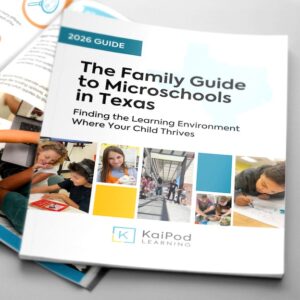
Learn:
✓ What microschools are
✓ How they compare to traditional schools
✓ Questions to ask as you explore your options
✓ Funding and tuition considerations in Texas
Meet Forest STEAM Academy
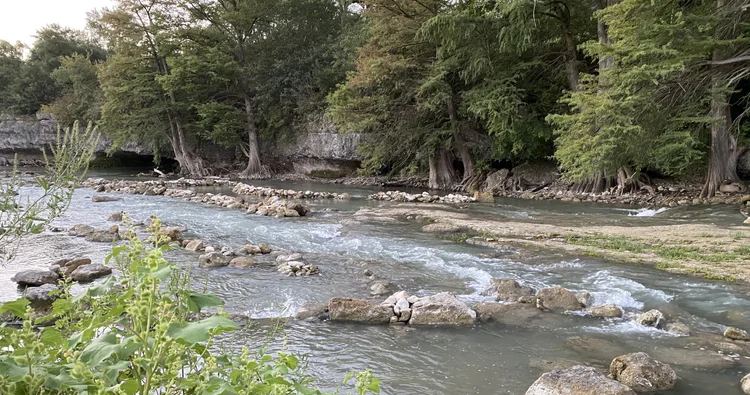
Forest STEAM Academy is a 6th-12th grade microschool in Spring Branch, Texas, designed for kinesthetic learners. Set in a forest along the river, students learn through hands-on experiences, meaningful projects, and outdoor exploration in an inclusive environment that builds confidence, critical thinking, and a lifelong love of learning.
Why Families Choose Forest STEAM Academy
Designed for Kinesthetic Learners
Purposefully designed for students who learn best through movement, hands-on experiences, and active engagement.
Immersive Forest Setting
Located in a beautiful forest by the river, students connect with nature every day through exploration and outdoor learning.
Experience-Based Learning
Students meet academic standards through meaningful projects, real-world problem-solving, and direct engagement with their environment.
Project & Portfolio Assessment
Instead of relying solely on tests, students demonstrate mastery through projects and portfolios that reflect deep understanding.
Whole-Child Development
An inclusive, holistic approach helps students grow academically, physically, socially, and emotionally through creativity, connection, and purpose.
Is a Microschool Right for Your Child?
Many families begin exploring microschools because:
- Their child isn’t thriving in a traditional classroom
- They want more individualized attention
- They are looking for smaller learning environments
- They want more flexibility and a stronger sense of community
- They want school to fit their child, not the other way around
Why Texas Families Are Exploring Microschools
Microschools are small learning communities that prioritize relationships, personalized learning, and flexibility.
For many families, they offer an alternative to traditional schools by creating environments where students can be known well, supported individually, and encouraged to learn in ways that fit them best.
Common Questions About Microschools
How are microschools different from traditional schools?
Microschools are small, personalized learning environments. They usually serve fewer students, use flexible teaching methods, and focus more on individual progress than a one-size-fits-all model. Learn more
What grades do microschools serve?
It depends on the school. Some serve only elementary grades, while others support middle school, high school, or mixed-age groups.
What does a typical day look like in a microschool?
Most days include small-group instruction, independent work, and hands-on learning. The exact structure varies by school.
Do microschools follow a specific curriculum?
Some do, and some don’t. Many use a mix of structured academics, project-based learning, and personalized plans.
Are microschools accredited?
Some are accredited or part of accredited networks, while others are not. It’s best to ask how the school handles transcripts, records, and student transitions. Learn more
Still have questions?