
If you’re looking into alternatives to traditional school, you’ve probably come across microschools and felt a mix of curiosity and caution. The concept sounds appealing, but you want to understand the full picture before making a decision this important for your child.
That’s what this guide is for. We’ll walk through the real benefits and the real drawbacks so you can weigh them against what matters most to your family.
A quick overview if you’re new to the concept: a microschool is a small, independently run school, usually serving 10 to 15 students per class group with a professional educator leading instruction. Total enrollment is also small, with a median of 22 students per school. There are now an estimated 95,000 microschools across all 50 states, serving roughly 750,000 to 2.1 million students. If you’d like a fuller picture of what a typical day looks like, our guide on how microschools work covers the basics.
At KaiPod Learning, we work with microschool founders across 30+ states and hear from families every day about what they value in these schools and where the challenges show up. That perspective shapes this guide.
Benefits of Microschools
Personalized Learning
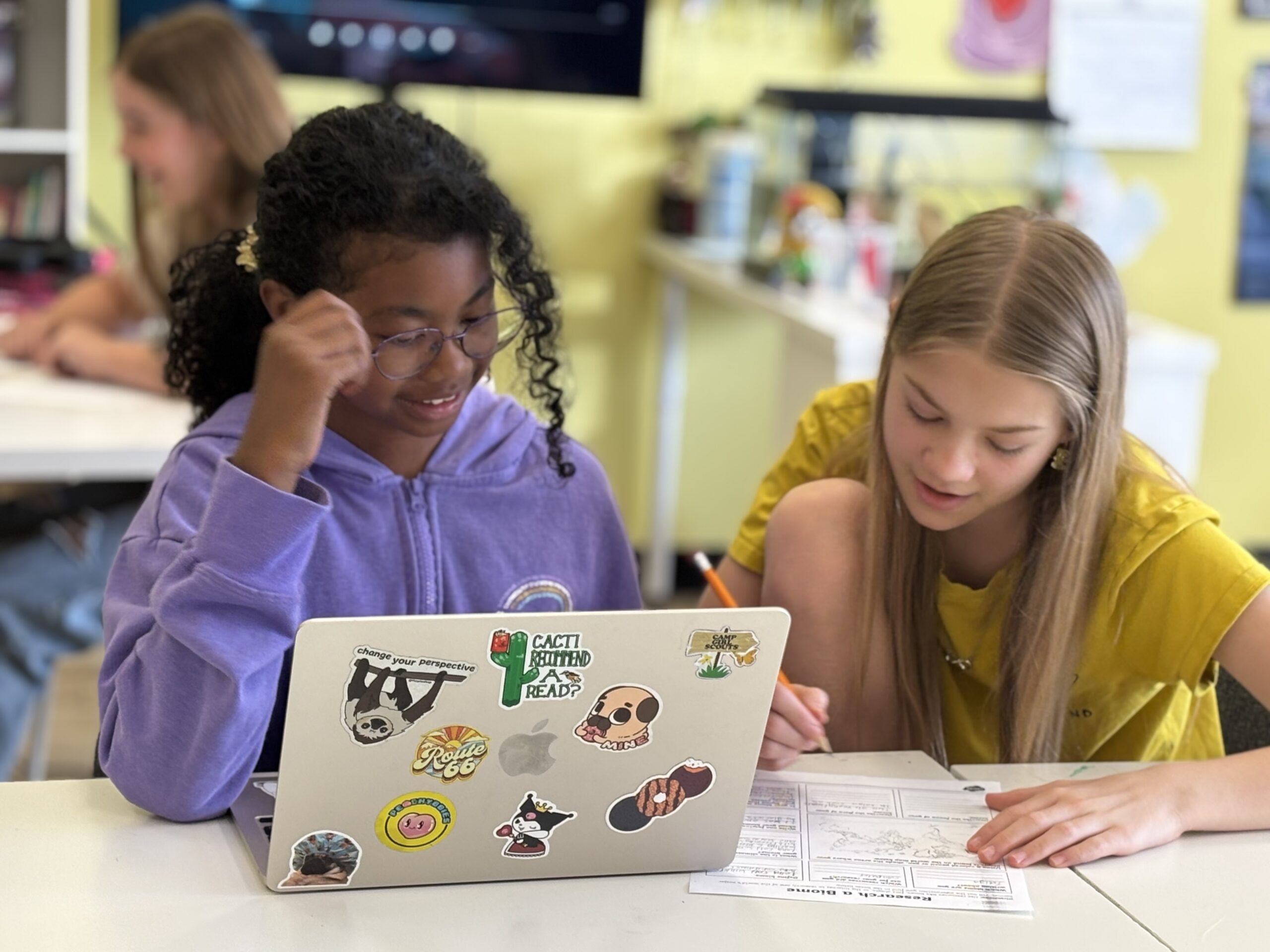
For many families, the draw of a microschool comes down to something simple: their child is finally seen. In a traditional classroom of 25 or more students, even a great teacher has limited ability to adjust instruction for every learner. In a microschool, an educator can identify where a child is ahead and where they need more support, then adjust accordingly.
Research supports what families experience firsthand. The well-known Tennessee STAR experiment found that reducing class sizes from 22 to 15 students produced measurable academic gains, particularly in early grades. Among microschools that track academic growth, 81% reported one to two years of academic gains during a single school year, according to the National Microschooling Center’s 2025 Sector Analysis. That figure is based on schools’ own tracking rather than standardized external testing, but it reflects a consistent pattern across the sector.
Small Class Sizes
This is one of the things families notice right away. When a class has 10 to 15 students instead of 25 or 30, the whole dynamic changes. KaiPod Learning microschools, for example, maintain a 12:1 student-to-coach ratio, compared to 25:1 or higher in many public school classrooms.
In smaller groups, the educator can build a real relationship with each child. A child who needs encouragement is more likely to get it. A child who’s ready to move ahead doesn’t have to wait for the rest of the class to catch up. In a 2025 survey conducted by EdChoice and KaiPod Learning, 49% of microschool families cited small class sizes as a key reason they chose microschooling.
Stronger Student Engagement
Many families come to microschooling because their child was disengaged at their previous school. Often it isn’t about ability; it’s that the environment wasn’t drawing them in. Microschools tend to use hands-on, flexible teaching methods that keep children engaged with the material rather than passively receiving instruction. Many prioritize project-based learning, real-world applications, and student-driven exploration alongside traditional academics.
Family satisfaction data reflects this. In the same EdChoice-KaiPod Learning survey, 76% of microschool families reported being “very satisfied” with their child’s overall experience, and 86% expressed high confidence in their child’s educators. Only 5% expressed any dissatisfaction. These figures reflect families within one microschool network and are not nationally representative, but they indicate strong alignment between what families expect and what they experience.
Flexible Approach to Learning
Not every child learns best on the same schedule or through the same methods. Microschools can adapt curriculum, schedule, and teaching approach in ways that traditional schools often cannot. Some follow a standard five-day schedule. Others operate on modified schedules that blend in-person and independent learning. Families can often find a structure that fits their child’s learning style and their own household rhythms.
This flexibility is especially meaningful for children who haven’t thrived in a one-size-fits-all environment. A child who needs more movement, more time outdoors, or a different pace of instruction can often find that in a microschool without compromising on academic rigor.
Support Without Full Homeschool Responsibility
If the idea of homeschooling appeals to you but the idea of being your child’s primary teacher does not, a microschool may be worth a closer look. Microschools are led by professional educators. Your child still gets daily instruction from a trained educator in a structured environment, while your family’s role is more collaborative than instructional.
This is one of the key differences between microschooling and homeschooling. In a homeschool setting, the family typically directs the curriculum and daily instruction. In a microschool, a professional educator handles that. For families who want an alternative without taking on the full weight of teaching, it can be a meaningful middle ground.
Community and Socialization
One of the first questions families ask about microschools is whether their child will get enough social interaction. It’s a fair question. The peer group is smaller than at a traditional school, and that’s a real consideration.
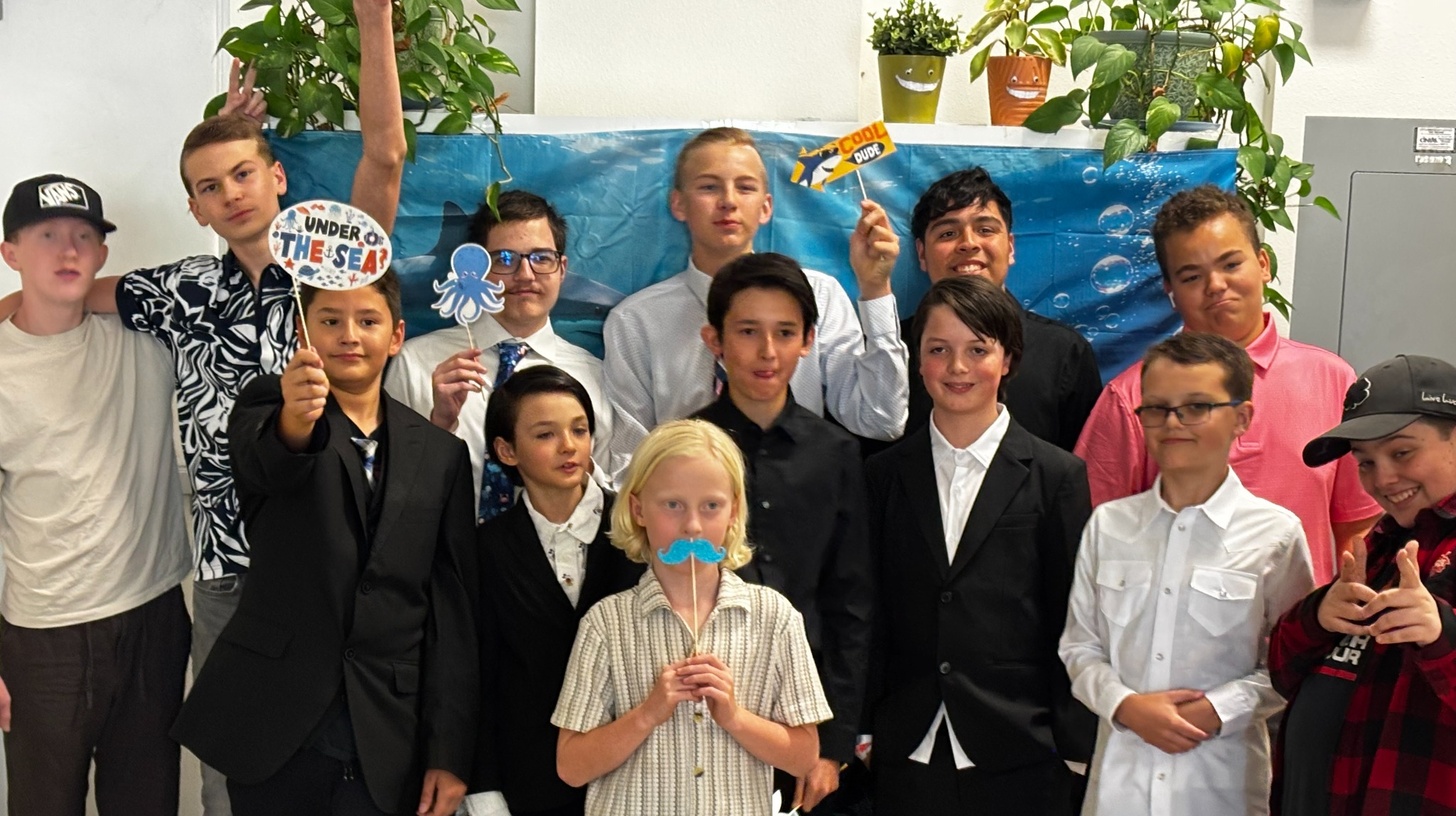
What many families find, though, is that the relationships in a microschool tend to run deeper. Because the group is small, children often form closer bonds with both their peers and their educators. In the EdChoice-KaiPod Learning survey, 57% of families described the sense of community among families, educators, and students as strong.
It’s also worth noting that 74% of microschools serve neurodiverse children and 50% serve students who have experienced emotional trauma, according to the NMC 2025 report. For these populations especially, close-knit, supportive learning environments can make a meaningful difference.
Looking for microschools in your area? Find microschools near you to see what’s available.
Downsides of Microschools
No school model is without tradeoffs, and it’s worth going in with a clear picture. These are the most common concerns families raise, along with context that may help you evaluate them.
Availability May Be Limited
Microschools exist in all 50 states, and the sector has grown significantly since 2021. But options are not evenly distributed. Depending on where you live, you may have several microschools to choose from, or you may find that options are limited, particularly in rural communities.
Growth tends to be concentrated in states with established Education Savings Account (ESA) programs (e.g., Florida, Arizona, and Arkansas), where public funding supports demand. In other areas, the microschool landscape is still developing. KaiPod Learning maintains a microschool directory that can help you see what’s available near you.
Cost Can Vary
Tuition is one of the first things families want to understand, and the honest answer is that it varies widely depending on location, model, and services offered. According to the NMC 2025 Sector Analysis, 74% of microschools have annual tuition at or below $10,000, and 65% offer sliding-scale tuition or discounts. For context, many private schools charge $15,000 to $30,000 or more per year.
In states with ESA programs, families may be eligible for public funding to offset tuition costs. ESA amounts vary by state, with most programs providing between $3,000 and $10,500 per child per year. As of 2026, 21 ESA programs operate across 18 states, with several states now offering universal or near-universal access. Texas is also launching a major ESA program in fall 2026.
To check whether your state offers funding that could apply, see state funding options that may help cover tuition.
Less Standardization
Because microschools are independently run, they vary widely in approach, quality, and structure. Some follow established curricula with clear academic benchmarks. Others take a more progressive or interest-driven approach. Some pursue accreditation; many do not. According to the NMC 2025 report, only 22% of microschools are currently accredited, though 80% have expressed interest in pursuing microschool-friendly accreditation.
This variation means families need to evaluate each school individually rather than relying on broad assumptions about what “microschool” means. It’s worth asking about the curriculum, the educator’s qualifications, how progress is measured, and how the school handles transitions if your child eventually moves to a different school. Taking the time to ask these questions upfront helps ensure the school you choose is a good fit.
Not the Right Fit for Every Child
Some children genuinely thrive in larger school environments. They enjoy the variety of social interactions, the structured daily schedule, the range of extracurricular programs, and the experience of being part of a bigger school community. For those children, a microschool may not be the right move.
Microschools also may not offer the same breadth of specialized programs, such as competitive athletics, marching band, or advanced placement courses, that larger schools can support. If those experiences are important to your family, a traditional school may be the stronger choice.
Schedule and Location Logistics
Because microschools are small and independent, they may not be located as conveniently as a neighborhood public school. Depending on where you live, getting your child to and from a microschool could require a longer commute or different transportation arrangements.
Schedules may also look different from what you’re used to. Some microschools operate on modified schedules (e.g., four days per week or half-day formats). In the EdChoice-KaiPod Learning survey, 77% of surveyed families attended part-time, blending microschooling with homeschooling or other programs. This flexibility works well for many families, but it does require some adjustment if you’re coming from a traditional five-day school schedule.
Microschool vs. Traditional School: A Quick Comparison
| Microschool | Traditional School | |
| Class size | Typically 10 to 15 students per group | Often 25 to 30+ students per class |
| Student-to-educator ratio | Usually 12:1 or lower | Often 25:1 or higher |
| Teaching approach | Personalized, often project-based and hands-on | Standardized curriculum, lecture-based instruction is common |
| Schedule flexibility | Varies by school; modified schedules are common | Fixed schedule, typically five days per week |
| Curriculum | Varies by school; may be customized | Set by district or state standards |
| Family involvement | Collaborative; families are often more engaged in the learning process | Varies; less direct involvement in daily instruction is common |
| Extracurriculars | Limited; depends on the school | Broad range, including sports, arts, and clubs |
| Cost | Typically $5,000 to $15,000 per year; ESA funding may apply | Free for public schools; private schools typically $15,000 to $30,000+ |
| Accreditation | Varies; many are not accredited | Public schools are accredited by default |
| Socialization | Smaller, close-knit peer group | Larger, more diverse social environment |
Who Are Microschools Best For?
Every family’s situation is different, and there’s no single answer that works for everyone. That said, patterns do emerge among families who find microschooling to be a strong fit, and among those who find it isn’t quite right.
A microschool may be a good fit if:
- Your child needs more individualized attention than a traditional classroom can provide.
- Your child has learning differences or needs that benefit from a smaller, more flexible environment. According to the NMC 2025 report, 74% of microschools serve neurodiverse students.
- Traditional school isn’t working for your child academically, socially, or emotionally, and you’re looking for a different approach.
- You want a structured school environment with a professional educator, but without the rigidity of a large traditional school.
- You want the benefits of a small school community without taking on the full responsibility of homeschooling.
- Your family values flexibility in scheduling, curriculum, or teaching methods.
A microschool may not be the best fit if:
- Your family prefers a highly standardized academic environment with established accreditation and an institutional track record.
- Your child thrives on the social dynamics of a larger school with many peers across different grades and programs.
- Access to a wide range of extracurricular programs (e.g., competitive sports, performing arts, advanced coursework) is a priority and your local microschools don’t offer them.
- You prefer the convenience and proximity of a neighborhood school and aren’t looking to adjust transportation or scheduling.
- There are no microschools available in your area that meet your family’s quality standards or logistical needs.
Both lists matter. The right school is the one that fits your child and your family’s circumstances, and that answer looks different for everyone.
How to Take the Next Step
Every child learns differently. If microschooling sounds like it could be a fit for your family, the best next step is to see what’s available in your area and start asking questions. Visit schools, talk to the educators who run them, and ask how they handle the things that matter most to you.
For a more detailed walkthrough of what to look for and what to ask, download the free Family Guide to Microschools. It covers how to evaluate a microschool, what questions to ask during a visit, and how to think through whether this model fits your child’s needs.