If you’re comparing a microschool to your child’s current school, you’re probably carrying a quieter worry under all the logistics. Am I really making the right call for my child? A lot of families are sitting with that exact question right now, and feeling unsure about it is completely normal.
Neither option is better than the other. A traditional school and a microschool are built to do different things. A traditional school is designed to teach a lot of children well at once. A microschool is built around a much smaller group, with room to bend to one child. So the real question isn’t which model is better, it’s which one is right for your child.
We’re KaiPod Learning, and we work alongside more than 150 microschool founders across 30+ states. Because we see so many schools up close, we can tell you what microschools are actually like day to day. And when you’re ready, you can use our free Microschool Directory to find options near you.
Below, we walk through the handful of differences that matter most, so you can picture both options clearly.
What do we mean by “traditional school”?
When we say traditional school, we mean the kind most children attend, whether that’s public, private, charter, or parochial. They differ in funding, governance, and culture, but the basic setup is the same. Children are grouped by age, move through a fixed schedule and a set curriculum, and learn in larger classes, commonly around 20 to 25 students with one teacher.
So if your child is in a private or parochial school and “traditional” doesn’t feel like your word, this is still for you. What we’re really comparing is the shape of your child’s day, the same-age classroom, the set schedule, and the one pace the whole group moves at.
What is a microschool?
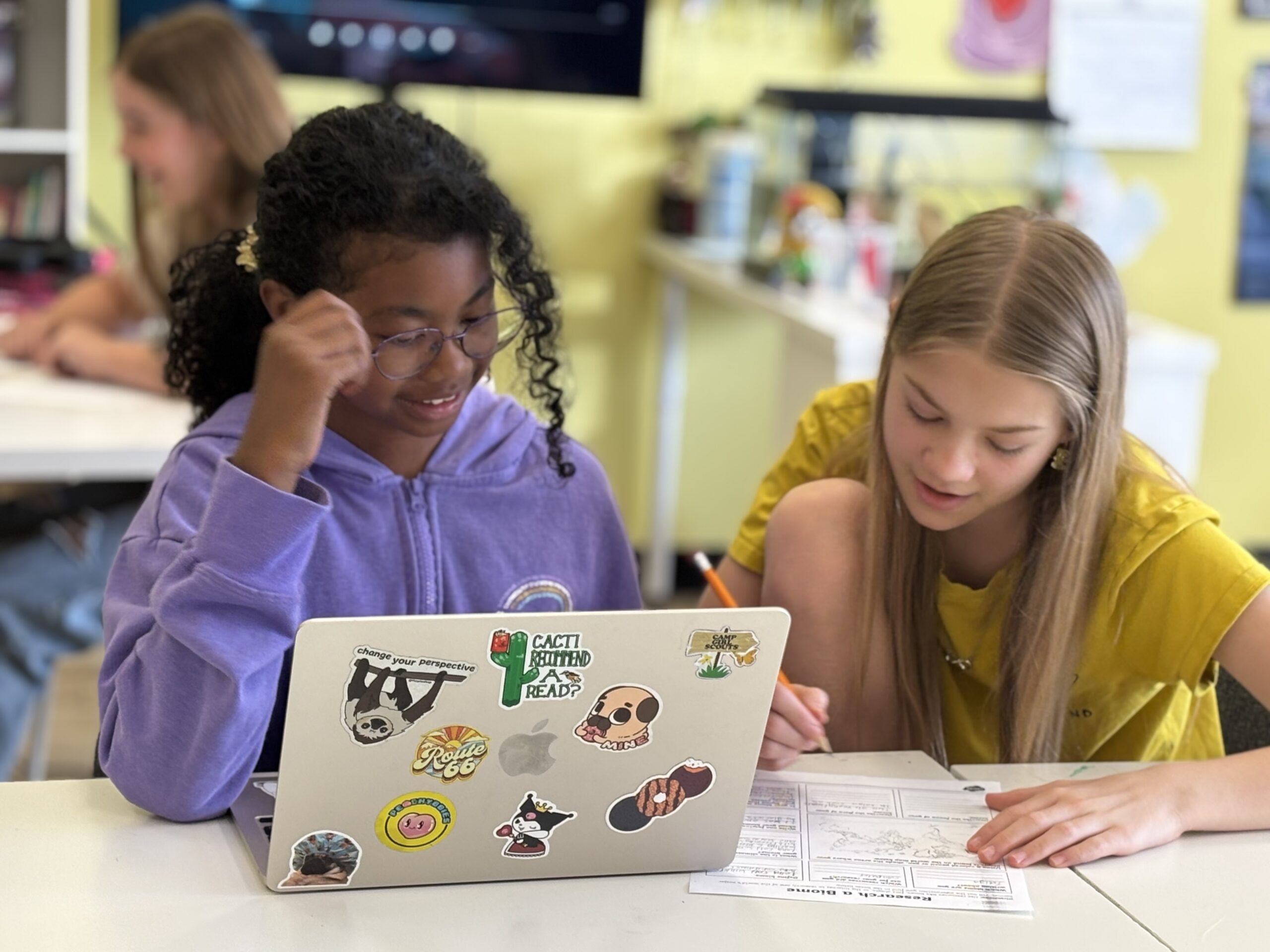
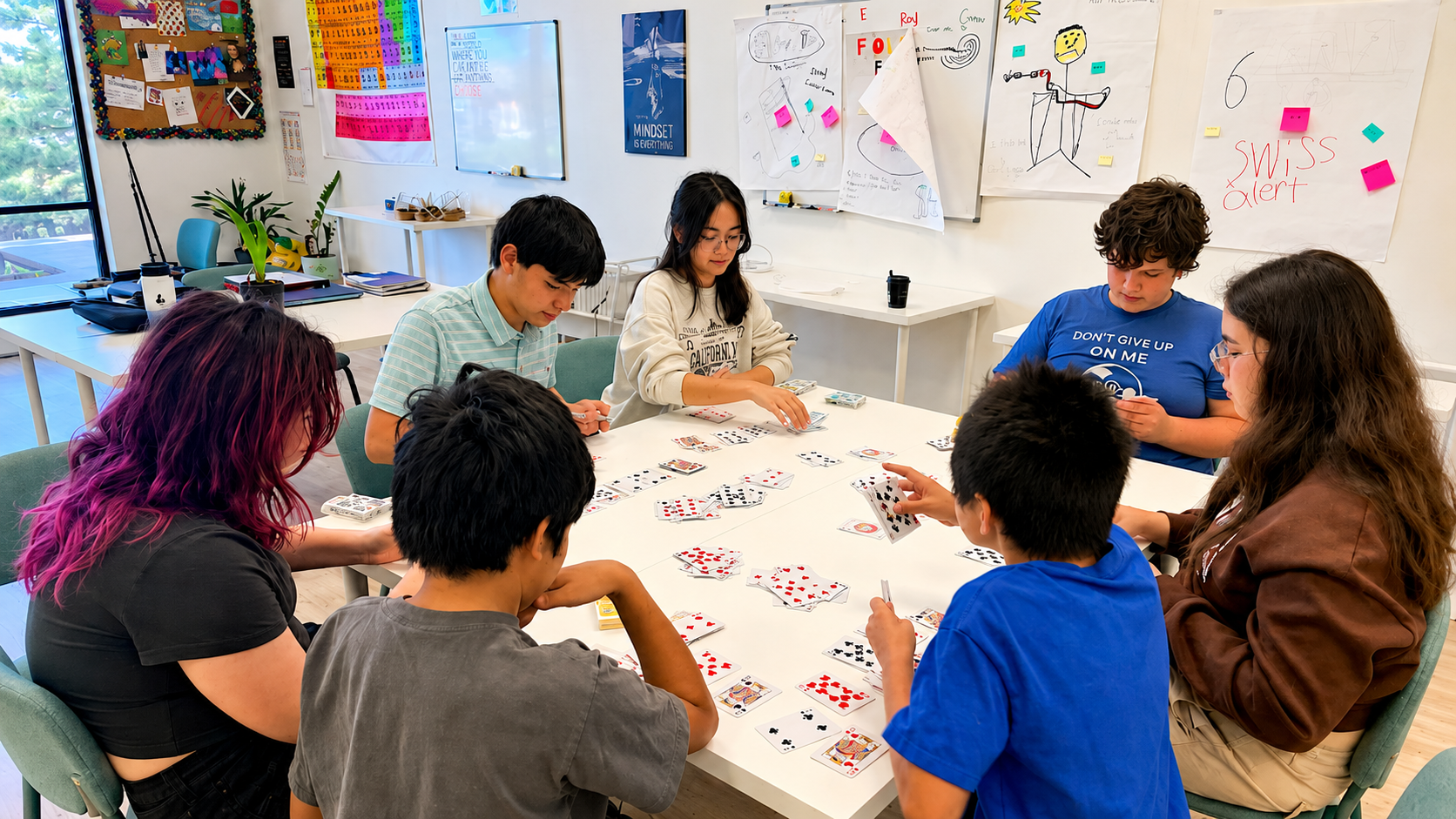
A microschool is a small, mixed-age learning community where the teaching is built around each child. The whole school is usually small, with one or two educators, so the group your child is part of tends to stay around 10 to 15 children at a time.
Most of the difference comes from the small class size. If you want the fuller picture, our posts on what a microschool is and how microschools work go deeper. And if you’re wondering whether “microschool” just means homeschooling, it’s not. Our post on the key differences between microschooling and homeschooling breaks down why.
Day-in-the-life differences
Only a handful of things really change what a child’s day feels like from morning to afternoon. Here they are side by side, and then we’ll go through what each one means for your child.
| What changes | Microschool | Traditional school |
| Class size | Usually 10 to 15 children, with one or two educators | Commonly around 20 to 25 students with one teacher |
| Personalization and pace | Personalized; your child moves at their own pace, often with project-based work | A shared, grade-level curriculum and pace for the whole class |
| Schedule | Varies by school; full-time, part-time, and hybrid schedules are common | A fixed, full-time schedule, usually five days a week |
| Learning environment | A small, mixed-age community | Age-graded classrooms with a larger peer group |
Class size and relationships
In a smaller group, your child is easy for an educator to notice, without being put on the spot. Imagine a child who tends to go quiet in a big classroom, hoping no one calls on them, or one who needs a teacher to check in before diving into something hard. In a group of ten or twelve, that check-in happens naturally, without singling anyone out in front of the room. For a child like that, just being seen without being spotlighted can change how the whole day feels.
The average public school class runs around 20 students, with one teacher keeping the whole room on track at once. Therefore, the teaching has to aim for the middle of the class. In a smaller group, the educator actually has room to notice what your child needs on a given day and respond to it. In a 2025 EdChoice survey of families in one microschool network, 86% said they were very or extremely confident in their educator’s ability to help their child succeed.
None of this means a big class is a bad class. Plenty of children do beautifully in a busy room and love the energy of a large peer group. It comes down to what your child needs to feel settled enough to learn.
Pace
The work meets your child where they actually are, instead of where the calendar says they should be. A child who needs an extra week on fractions can take it, instead of being left behind when the class moves on. A child who already understands the concepts doesn’t have to sit and wait, quietly growing bored. The same child often needs both, faster in one subject and slower in another.
A traditional class has to keep moving to get through the year’s curriculum before testing. That’s efficient, but a child who fell behind in week three can pile up gaps, while a child who’s ahead gets restless. A microschool does it the other way around, holding the learning steady and letting the time stretch or shrink to fit. There’s research behind this, too. A RAND Corporation evaluation found that tailoring the pace and focus of instruction to each student can improve achievement no matter where a child starts.
Pace is about how your child moves through material. The schedule is about when school happens, which is a separate thing that matters to different families. We’ll take that next.
Schedule
Microschools often run more than one schedule. You might choose a full five-day week, or a lighter, more concentrated schedule that keeps more of the week open. If your child struggles to make it through a full seven-hour day, a lighter schedule may work better for them.
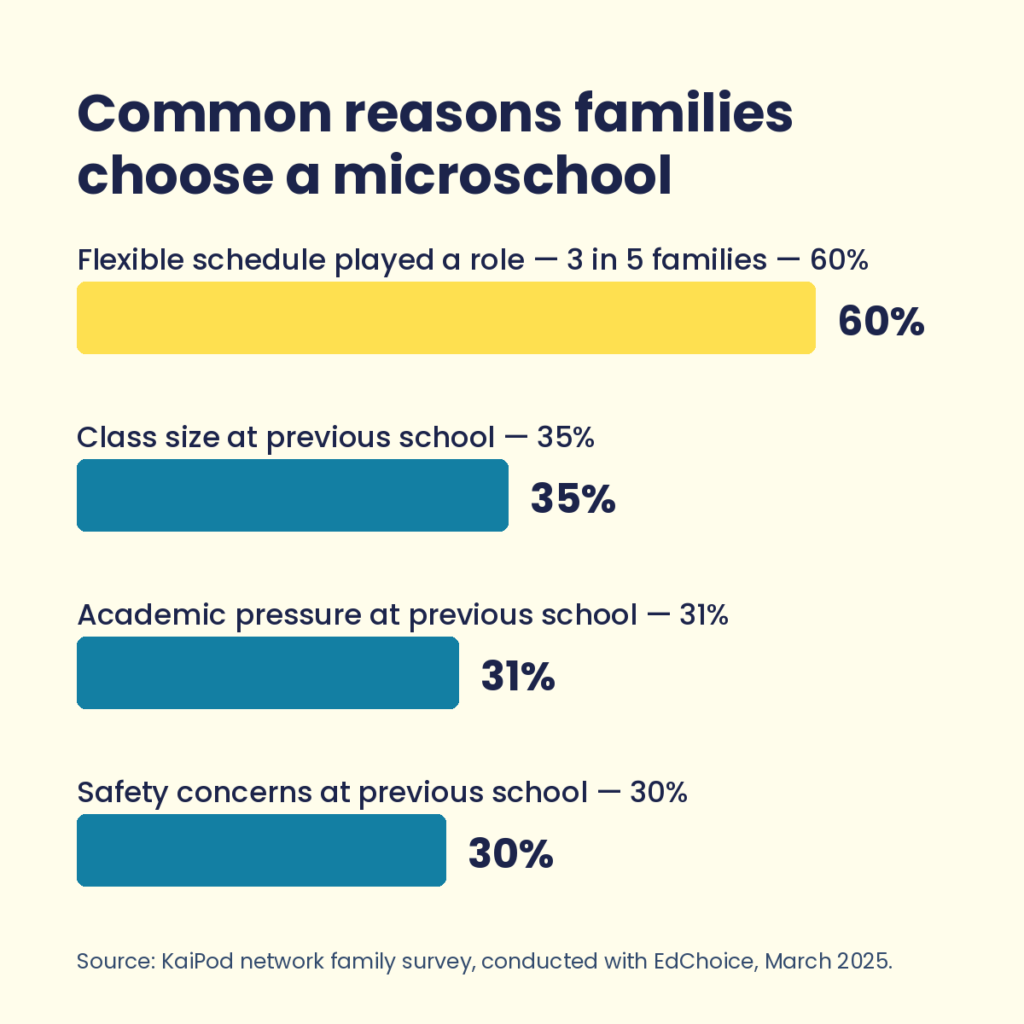
A traditional school runs a fixed, full-time day and calendar. That predictability is a big part of what makes it so dependable for working families, and it’s a real strength. Microschools tend to be more flexible. In the National Microschooling Center’s 2026 sector analysis, which surveyed 1,000 microschools across all fifty states, 64% ran a full-time weekly schedule, while 30% ran part-time or hybrid schedules and 17% offered families both options. A flexible schedule is one of the most common reasons families start looking at microschools in the first place.
Learning environment
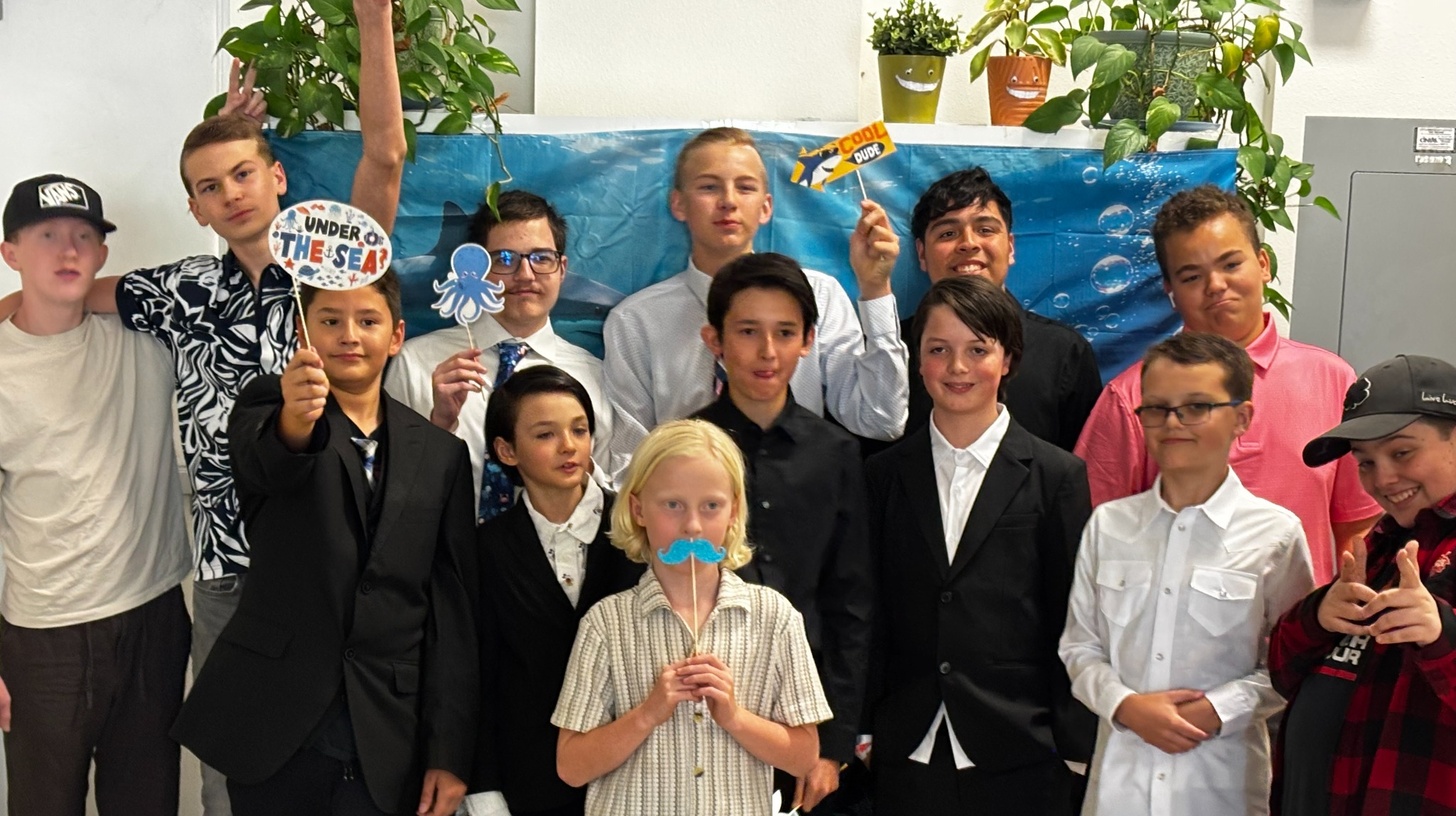
Instead of a roomful of children the same age, your child is part of a small, mixed-age group. The older children grow into mentors, which builds their confidence and sense of responsibility, and the younger ones stretch by watching and working next to them. When everyone’s working on something a little different, the pressure to be exactly “on grade level” eases for every child.
Traditional schools group children strictly by age, which works well for teaching one grade’s material and gives a child a big group of same-age friends to grow up with. In a microschool, the small size makes a mixed-age group the natural setup, and because it’s small, children are simply more visible, to each other and to the adults.
Picture your child spending one week getting help from an older student on a tricky reading passage, and the next week explaining a math step to someone younger. That back-and-forth is just what a mixed-age room feels like day to day.
So which one fits better?
There’s no single answer that fits every child, and that’s okay. Some children do best with the structure, the predictability, and the big peer group of a traditional school. Others really come into their own when the group is small and the pace and schedule meets their needs. If you’re trying to figure out where your own child fits, our roadmap for families thinking about switching schools is a good next read.
If you’re further along and want the nitty-gritty, things like progress tracking, transcripts, accreditation, and how your child will make friends, that’s covered in our posts on the pros and cons of microschools.
And when you’re ready to go deeper, our 2026 Family Guide to Microschools walks you through the rest, with worksheets, checklists, and a closer look at how to decide.